

Jetting stormwater basins
Heavy rains, seasonal storms, and melting snow can quickly overwhelm property infrastructure if drainage networks are not functioning optimally. Effective stormwater management is critical to protecting commercial real estate, municipal roadways, and the local environment. When leaves, dirt, urban trash, and organic sludge accumulate, runoff water has nowhere to go. This is exactly where the highly effective practice of jetting stormwater basins comes into play.
By utilizing intense water pressure, this modern method restores flow and prevents catastrophic backups. Whether you manage an industrial site, a retail complex, or a residential community, understanding the mechanics of keeping your drainage clear is essential. Let’s dive into how modern jetting techniques are revolutionizing the way we maintain these vital underground networks.
What is Jetting and Why is it Necessary?
Property managers and municipal planners frequently ask: why do storm drains need professional cleaning? The simple answer comes down to gravity and time. Everything that washes off a parking lot, roof, or street eventually ends up in the catch basins. Over time, this wet debris solidifies into a concrete-like sludge, restricting water flow and creating a massive bottleneck in your system.
Jetting stormwater basins is the process of using heavy-duty hoses and specialized nozzles to blast highly pressurized water through your underground pipes. Specifically, high pressure hydro jetting for drainage systems scours the interior walls of the pipes, breaking apart hardened sediment, aggressive tree root intrusions, and compacted trash. Unlike older, less effective maintenance methods, jetting leaves the interior of the pipe in a nearly new condition, entirely restoring its original diameter.
The Core Benefits of Professional Maintenance
Relying on advanced stormwater solutions does much more than just fix immediate, visible clogs; it provides long-term stability and safety for your property.
Immediate Flood Prevention: One of the most obvious advantages is preventing localized flooding through pipe flushing. When a heavy rainstorm hits, a fully cleared pipe can handle massive volumes of water without backing up into parking lots, basements, or streets.
Capacity Restoration: Over the years, a 12-inch drainage pipe might be reduced to a 4-inch opening due to sediment buildup. Jetting is the ultimate method for improving hydraulic capacity of drainage networks, ensuring they can easily handle peak storm events.
Environmental Protection: Proactive cleaning represents one of the best practices for non-point source pollution control. By extracting heavy metals, motor oils, fertilizers, and plastics from the basin before they wash into local rivers and streams, you are actively protecting the surrounding ecosystem.
Hydro-Jetting vs Mechanical Cable Cleaning
When evaluating your property’s maintenance options, it is incredibly helpful to understand the differences between hydro-jetting vs mechanical cable cleaning. Mechanical snaking uses a motorized metal cable with a cutting blade on the end to punch a hole through a blockage. While it might temporarily restore a small amount of flow, it leaves the majority of the grime and sludge caked on the pipe walls.
Conversely, high-pressure water acts as a 360-degree scraper. It doesn't just punch a narrow hole; it completely emulsifies the blockage and washes it away. Because it thoroughly cleans the pipe and prevents rapid recurrent build-up, hydro-jetting is widely recognized as one of the most cost-effective solutions for drainage pipe clogs on the market today.
The Removal Process: Dealing with Sediment Properly
Blasting the pipes clean is only half the battle. If you are wondering how to remove sediment from catch basins permanently, the answer lies in physical extraction. Once the jetter pushes all the loosened debris from the lateral pipe lines into the main catch basin, that accumulated waste must be physically removed from the site.
This is where vacuum truck debris extraction services become absolutely essential. These incredibly powerful trucks feature massive hoses that pull the loosened sludge, rocks, and contaminated water out of the basin and into a sealed holding tank for safe, legal disposal.
Actionable Tip: Always ensure your maintenance contractor uses a combination truck (often called a "combo truck") that can jet and vacuum simultaneously. This prevents the freshly loosened debris from simply washing further down the line and creating a brand-new blockage elsewhere in the network.
Ensuring Regulatory Compliance and Environmental Safety
For municipalities, industrial sites, and large commercial entities, maintaining drainage infrastructure isn’t just good practice—it’s often a strict legal requirement. Meeting MS4 regulatory compliance maintenance standards (Municipal Separate Storm Sewer System) requires rigorous, documented upkeep of storm drains to prevent polluted runoff from entering natural bodies of water.
Failure to properly maintain these systems can result in steep fines, legal liabilities, and severe environmental degradation. Routine basin jetting ensures that your facility remains fully compliant with state and federal regulations. Furthermore, extending this level of care to larger retention areas highlights the benefits of routine detention pond maintenance. By keeping the outflow structures and connecting pipes clear, detention ponds can drain at their engineered, regulated rate rather than overflowing and causing severe property erosion.
Advanced Techniques and Modern Equipment
The technology used in modern drainage maintenance is incredibly sophisticated. A quick look at any commercial sewer cleaning equipment guide reveals a wide variety of specialized nozzles, ranging from forward-penetrating nozzles for solid blockages to rotary spinners that polish the pipe walls.
This advanced equipment is also highly versatile. For example, the exact same specialized combo trucks used for clearing blocked culverts with high pressure water can also be utilized for hydro-excavation for underground utility safety. Hydro-excavation uses a precise stream of pressurized water to safely liquefy and remove soil around buried gas lines, fiber optics, and electrical cables. This eliminates the massive risk of striking explosive or dangerous utilities with traditional mechanical excavators.
Additionally, before and after the jetting process, skilled technicians frequently perform subsurface infrastructure inspection and flushing. Using waterproof robotic crawler cameras, professionals can visually inspect the structural integrity of your underground pipes. This allows them to verify that the line is perfectly clean and ensures there are no hidden collapses, severe cracks, or misaligned joints that might require excavation and repair in the future.
Signs It Is Time to Schedule Maintenance
To keep your property safe, watch for these common warning signs that your system needs immediate attention:
Water pooling around storm drains long after the rain has stopped.
Foul, stagnant odors emanating from the grates.
Visible trash, leaves, and mud packed up to the top of the catch basin grate.
Gurgling sounds coming from connected downspouts or drainage lines.
The Bottom Line
Maintaining your property’s drainage infrastructure should never be an afterthought. By routinely jetting stormwater basins, you are actively investing in the safety, legal compliance, and longevity of your real estate. From preventing devastating structural floods to keeping local waterways entirely clean from harmful pollutants, the immense value of professional hydro-jetting and vacuum extraction simply cannot be overstated. Don't wait for a severe storm to test the limits of your neglected pipes. Schedule a comprehensive inspection and cleaning today to guarantee your property is ready to weather whatever Mother Nature brings its way.
5 Things Every Property Manager Needs to Check Periodically
You’ve seen it after heavy downpours: a miniature lake swallowing prime parking spaces. Think of your lot as a giant sink; when pipes clog, it ruins your stormwater ROI. Industry data reveals that skipping commercial drainage system maintenance causes asphalt to fail five years early. Proper stormwater management at a commercial property preserves asset value while eliminating dangerous slip-and-fall hazards.
Beyond pavement damage, neglected infrastructure triggers severe legal headaches. Municipal (MS4) liability laws mean local inspectors will issue hefty fines if your neglected system fails. For preventing parking lot flooding and dodging the three main pillars of failure—clogs, erosion, and penalties—proactive oversight is vital. Here is the essential 5-point inspection checklist to review periodically.
Clearing the Gates: How to Inspect Catch Basins to Prevent Parking Lot Flooding
Most managers know to clear leaves off the metal grate, but the real work happens underground. Beneath that grate sits a catch basin, functioning like the plumbing trap under your sink. Its lowest section—the sump—catches heavy dirt and gravel. When this trap reaches its sediment capacity limits, the water has nowhere to go. This backing up creates persistent puddles that slowly destroy your expensive asphalt sub-base, turning a simple maintenance issue into a costly paving repair.
Learning how to inspect catch basins helps you catch the common causes of storm drain failure before they cause property damage. As part of your routine sediment and erosion control measures, perform this monthly visual check:
Grate Integrity: Look past surface trash to check the concrete basin walls for structural cracks.
Sediment Depth: Shine a flashlight inside; if mud sits just below the exit pipe, you need professional vacuuming rather than simple surface clearing.
Flow Direction: Ensure water actively exits the pipe instead of pooling inside.
Once water successfully flows out, it typically heads to a larger holding area, such as a primary buffer tank or detention pond.
Monitoring Your Buffer Tank: 3 Warning Signs Your Detention Pond Is Failing
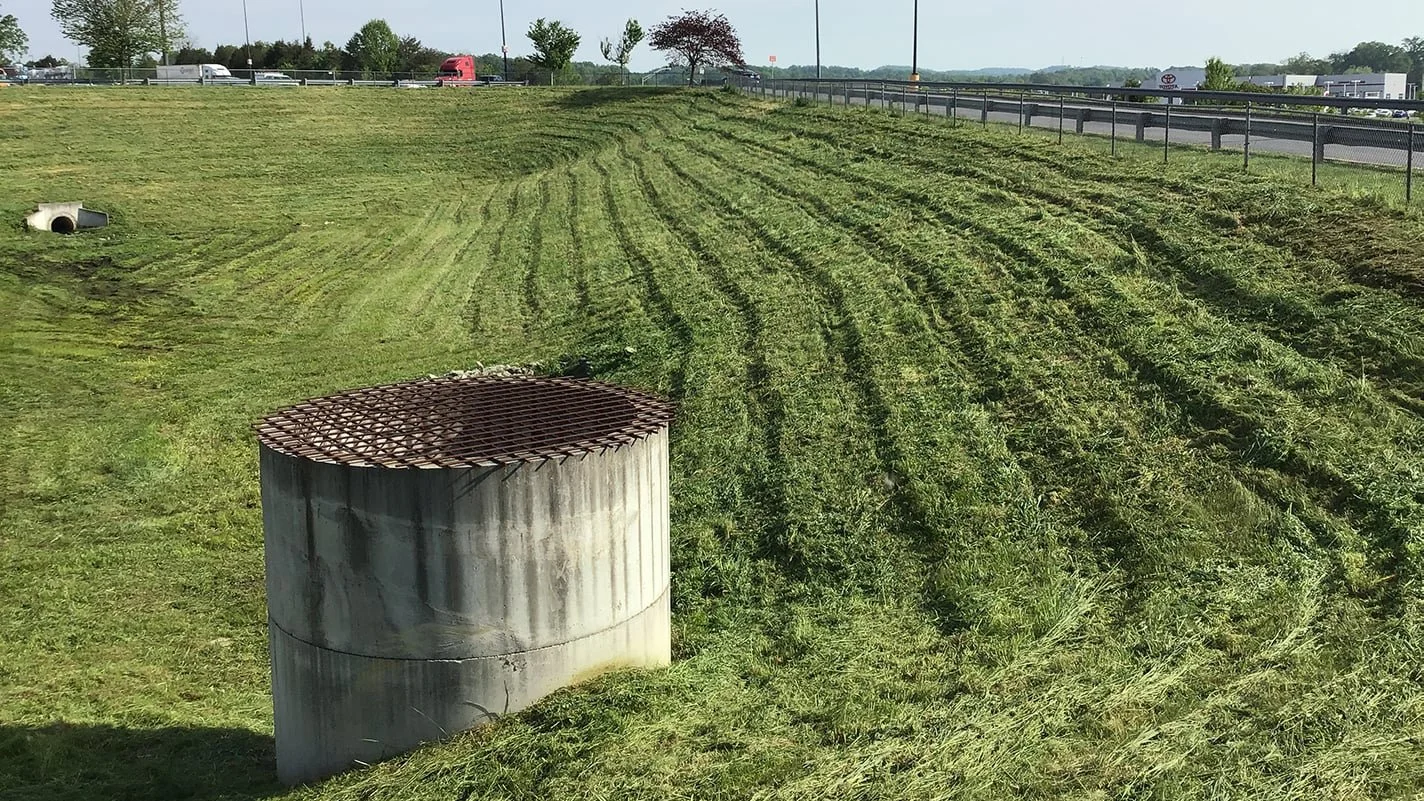
After water escapes the catch basin, it typically empties into a larger basin designed to prevent city storm systems from overflowing. Whether you are maintaining detention and retention ponds—meaning they hold water temporarily during storms or permanently like a small lake—both serve as your property's primary buffer tank. The most critical component is the concrete outlet structure, protected by a metal cage known as a trash rack. Think of this rack like a shower drain cover; if it becomes choked with floating branches or litter, the entire system severely backs up.
Because moving water possesses tremendous power, bank stabilization remains a continuous priority during inspections. Look closely at the dirt slopes surrounding the basin for small, carved channels called rills. These miniature gullies might appear harmless at first glance, but they clearly signal that the earth supporting your property is dangerously washing away.
Overgrown vegetation presents another silent threat to this green infrastructure for business complexes. While intentional border grass anchors the soil effectively, invasive weeds growing directly inside the basin block critical flow channels. Clearing these biological choke points is essential for fixing standing water in commercial landscapes before it damages nearby structures or compromises adjacent pavement foundations.
Identifying Pavement Problems: How Permeable Surfaces and Swales Save Your Asphalt
You already know sealing your parking lot prevents surface cracks, but the real threat lies underneath. When water pools continually, it seeps down and causes asphalt sub-grade saturation. This turns your solid foundation into soft mud, causing massive potholes that highlight the steep long-term cost of neglected stormwater systems. To pull water away quickly, properties utilize bioswales. While they might look like a standard "grass ditch" between parking rows, they are actually critical drainage tools designed to capture runoff. Effectively routing this moisture extends your asphalt's lifespan by 30%.
Modern surface technology completely changes your upkeep routine. Unlike traditional concrete, permeable pavers act like a rigid sponge, letting rain pass straight into the ground. When evaluating permeable vs non-permeable pavement benefits, update your stormwater best management practices checklist:
Standard Asphalt: Sweep surface debris, apply sealcoat, and fill cracks.
Permeable Pavers: Vacuum the surface annually to prevent dirt from "clogging" the vital pores.
Keeping surfaces draining prevents flooding, but managers must also prevent hazardous fluids from entering these clean systems, as illicit discharges carry severe legal and environmental liabilities.
The Invisible Hazard: How to Spot Illicit Discharges and Avoid Environmental Fines
Seeing water enter your drains on a sunny day is an immediate red flag. This runoff is an illicit discharge, posing a serious liability for commercial property environmental compliance. Whether it is soapy wash-water or a rainbow-colored oil sheen, these contaminants represent point source pollution—meaning the damage traces directly back to your property. Because your drainage network connects to local waterways without treatment, illicit discharge detection and elimination must become a strict priority. Train your staff to report odd smells or dry-weather flows instantly.
Ignoring those chemical trails triggers steep regulatory fines. Your strongest defense is a Stormwater Pollution Prevention Plan (SWPPP). Fulfilling your stormwater pollution prevention plan requirements involves keeping this legal document updated to prove you actively manage hazardous fluids before they hit the grate. A clean SWPPP shows inspectors your facility is proactive, not negligent. To ensure you never fail a surprise inspection or miss a hidden leak, establish a predictable, year-round maintenance audit.
Establishing Your Routine: The 4-Step Annual Drainage Audit Plan
You no longer have to wait for a flooded parking lot to signal a failing system. Treating proper stormwater management as routine maintenance puts you in control, where a simple $500 preventative inspection easily avoids a $20,000 emergency repair. Effective water management requires a reliable schedule and documenting everything to prove compliance during city audits:
Spring: Schedule your professional annual drainage infrastructure audit.
Summer: Prioritize "post-heavy-rain" walk-throughs to spot slow-draining areas.
Fall: Sweep surfaces weekly, keeping falling leaves away from your grates.
Winter: Monitor outfalls for ice blockages and document your visual inspections.
You now see your property's exterior not as a mystery, but as a manageable asset. Handle the basic janitorial surface clearing yourself, but confidently call professionals for structural cracks or severe erosion. Grab your clipboard after the next heavy downpour—your drainage system will show you exactly what it needs.
Hydrovac Changes Utility Work
Discover how Hydrovac is making utility work safer by offering precise, non-destructive excavation that prevents damage to underground utilities and enhances safety in complex environments.It All Begins Here
Hydrovac technology is transforming utility work. It offers a safer, more efficient way to excavate. Traditional digging methods often pose risks to underground utilities.
Hydrovac uses high-pressure water and vacuum systems. This method minimizes the risk of damaging gas lines, water pipes, and cables. It is a non-destructive technique that preserves infrastructure integrity.
Utility strikes can be costly and dangerous. Hydrovac reduces these risks significantly. It enhances safety by providing precise excavation.
The technology is especially useful in urban areas. Dense utility networks require careful handling. Hydrovac ensures safe digging without compromising existing utilities.
Operators must be trained in Hydrovac safety. Proper equipment maintenance is crucial. Regular inspections help prevent accidents and ensure smooth operations.
Hydrovac is adaptable to various conditions. It works in different soil types and weather. This flexibility makes it a preferred choice for utility projects.
What is Hydrovac Excavation?
Hydrovac excavation is a modern digging method that combines high-pressure water and a powerful vacuum. This approach safely and efficiently removes soil without damaging underground utilities. It's a preferred choice in utility work for its precision and effectiveness.
The process starts with blasting the soil using high-pressure water. This creates a slurry that the vacuum system swiftly removes. This non-mechanical approach avoids the risk of hitting underground pipes and cables, providing a safer alternative to traditional digging.
One of the key benefits of Hydrovac excavation is its versatility. It can be used in various soil conditions and is effective in a wide range of environments. This adaptability makes it ideal for complex utility networks, particularly in urban settings.
Key features of Hydrovac excavation include:
Non-destructive digging
High precision in soil removal
Safe exposure of underground utilities
Efficiency in time and labor
Hydrovac technology continues to evolve, enhancing its capabilities. It offers utility workers an invaluable tool for maintaining the integrity of infrastructure while improving safety standards on site.
The Dangers of Traditional Utility Excavation
Traditional excavation methods pose significant risks to underground utilities. Excavators can inadvertently strike gas lines, water pipes, or electrical cables. Such incidents lead to costly repairs and pose safety hazards to workers and the public.
One major drawback of conventional digging is its lack of precision. Mechanical excavation equipment can inadvertently damage infrastructure, leading to unexpected service disruptions. The financial burden of repairs often increases project costs significantly.
Physical injuries are another concern with traditional methods. Manual digging and heavy machinery increase the risk of musculoskeletal injuries among workers. The potential for utility strikes also heightens the risk of fatal accidents.
Common dangers associated with traditional utility excavation include:
Unintentional utility strikes
Increased project delays and costs
Higher risk of worker injuries
Environmental damage from equipment use
These hazards make traditional excavation less appealing compared to modern methods like Hydrovac. By using outdated techniques, companies face increased liability and potential legal repercussions. Opting for safer alternatives can significantly reduce these risks, ensuring worksite safety and compliance with regulations.
How Hydrovac Enhances Utility Work Safety
Hydrovac technology significantly improves utility work safety by reducing the chances of damaging underground infrastructure. Using high-pressure water jets and vacuum systems, Hydrovac safely uncovers utilities without physical contact. This method preserves the integrity of pipes, cables, and other underground assets.
The precision of Hydrovac excavation is unmatched, minimizing risk on job sites. By reducing the likelihood of utility strikes, Hydrovac helps prevent both financial and physical harm. The technology also speeds up excavation processes, which enhances overall project safety.
Hydrovac trucks are equipped with advanced safety features. Remote controls and emergency shut-off systems enhance operator safety by allowing control from a safe distance. Regular maintenance and inspections ensure Hydrovac equipment operates reliably, further reducing potential hazards.
Key safety benefits of Hydrovac technology include:
Precision in exposing utilities without damage
Advanced equipment safety features
Reduced physical labor and related injuries
Non-invasive methods reducing environmental impact
Unlike traditional methods, Hydrovac allows work in confined spaces and challenging environments. It provides flexibility in various weather conditions, ensuring that projects remain on schedule without compromising safety. By adopting Hydrovac, companies demonstrate a commitment to workplace safety and environmental stewardship. This technology not only keeps workers safe but also protects communities and infrastructure from harm.
Key Hydrovac Safety Tips for Utility Workers
Working with Hydrovac technology requires adherence to safety protocols to prevent accidents and ensure efficient operation. Utility workers must familiarize themselves with key safety measures before starting excavation. Proper training and knowledge are essential for safe and effective Hydrovac usage.
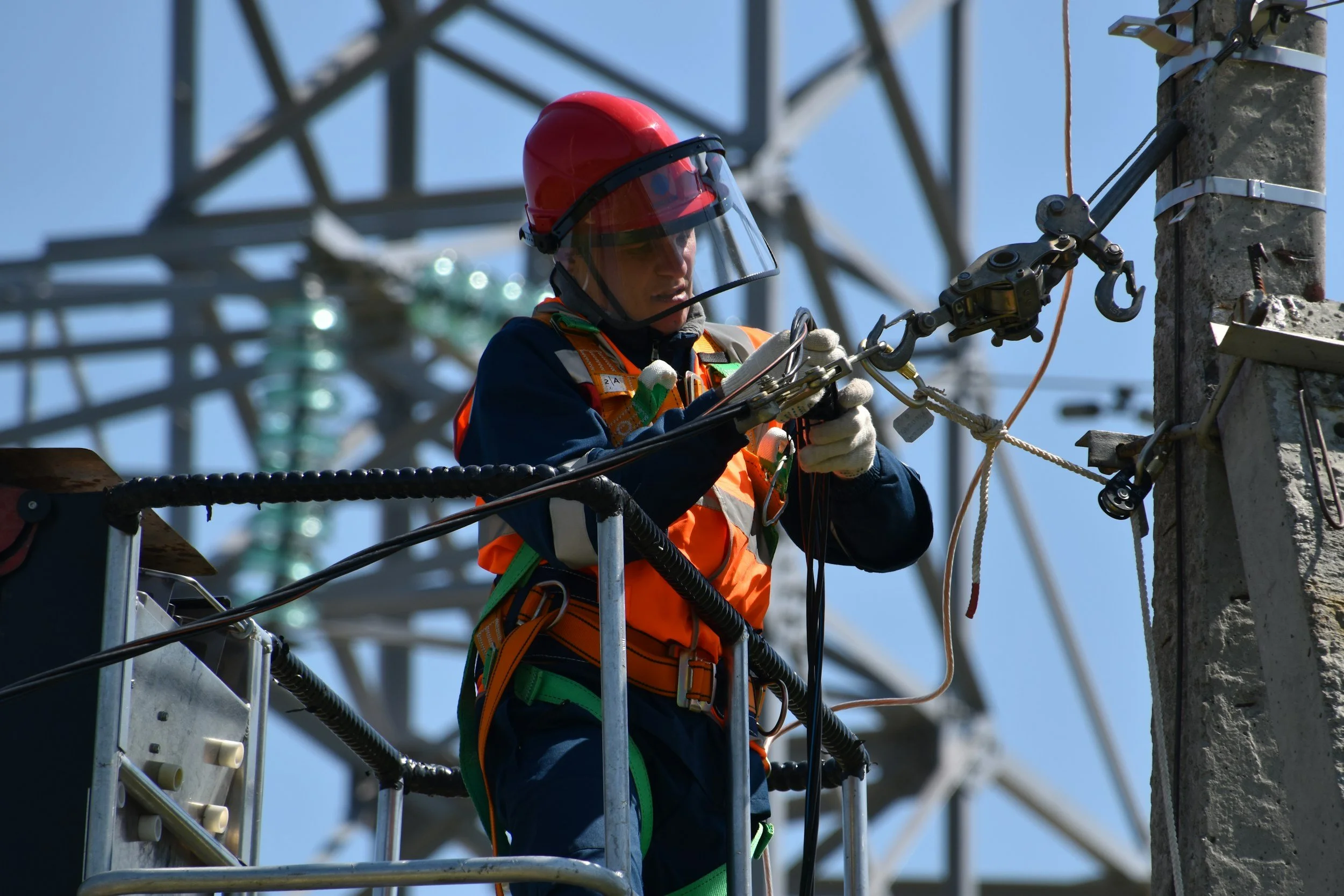
Workers should always wear appropriate personal protective equipment (PPE). This includes hard hats, safety glasses, gloves, and steel-toed boots. PPE shields workers from potential hazards, such as debris and high-pressure water exposure.
Regular equipment inspections are crucial for safe Hydrovac operations. Identifying wear and tear early helps prevent malfunctions during excavation. Routine maintenance ensures that Hydrovac systems perform optimally, minimizing downtime and enhancing safety.
Communication is vital on Hydrovac job sites. Workers should use clear signals and establish communication channels to coordinate operations smoothly. Maintaining a safe distance from the excavation area is also important to avoid accidents.
Key Hydrovac safety tips include:
Conduct thorough site assessments
Follow standard operating procedures
Ensure equipment is in proper working condition
Stay alert and focused during operations
These safety tips highlight the importance of vigilance and preparedness in utility work. Adopting these practices helps protect workers, infrastructure, and the environment. The right safety measures not only prevent incidents but also ensure that utility projects are completed efficiently and on schedule.
Safe Digging Techniques with Hydrovac
Employing safe digging techniques is essential when using Hydrovac for excavation. Hydrovac provides a precision that traditional methods lack, minimizing risk and enhancing efficiency. By employing the right techniques, utility workers can ensure safe and successful operations.
Before beginning, a thorough site evaluation is critical. This involves identifying and marking underground utilities and assessing soil conditions. A well-prepared site minimizes potential hazards and ensures targeted excavation.
Hydrovac technology excels in non-destructive digging. Use precise water pressure to loosen soil around utilities, avoiding direct contact with pipes or cables. This method protects infrastructure integrity and prevents damage.
Utility workers should implement the following safe digging techniques:
Perform detailed site assessments and documentation
Use appropriate water pressure levels
Regularly monitor excavation progress
Adjust techniques based on soil types and conditions
Incorporating these techniques ensures the successful implementation of Hydrovac in utility projects. By prioritizing precision and safety, workers can avoid accidents and protect valuable underground utilities. Embracing these practices leads to more efficient, safe, and environmentally friendly utility maintenance and development.
Hydrovac in Challenging Environments
Hydrovac technology proves invaluable in challenging environments where traditional methods often fall short. Whether dealing with confined spaces, rugged terrains, or high groundwater levels, Hydrovac offers a reliable solution.
The ability to safely navigate difficult conditions is a hallmark of Hydrovac. Its adaptability allows it to operate in tight spaces and around obstructions with minimal disturbance. This adaptability is key to its effectiveness in such environments.
For successful operations in challenging environments, consider the following:
Assess environmental and access limitations
Customize equipment setup based on conditions
Utilize advanced safety features effectively
Hydrovac’s versatility extends to projects requiring minimal ground disturbance, making it the go-to choice for environmentally sensitive areas or archaeological sites. By leveraging the unique capabilities of Hydrovac in these situations, utility teams can achieve their goals while maintaining safety and compliance with environmental standards.
Environmental and Community Benefits
Hydrovac technology offers significant environmental benefits, making it a preferred choice for eco-conscious projects. By minimizing soil disturbance, it reduces the environmental impact of utility excavation. This reduction helps preserve natural landscapes and habitats.
Community benefits are equally noteworthy. Hydrovac’s quiet and efficient operations lead to less noise pollution and disruption. This makes it a favorable option in residential and high-traffic areas, improving community relations and quality of life.
Some key advantages of Hydrovac for the environment and community include:
Reduced soil erosion and sediment runoff
Lower noise levels during excavation
Preservation of natural and historical sites
Choosing Hydrovac supports sustainable practices and fosters positive interactions with local communities. It reinforces the commitment to protecting the environment while ensuring that utility projects meet the needs and expectations of the public.
Training, Regulations, and Best Practices
Hydrovac operators must undergo thorough training to ensure safe and efficient operations. This training covers equipment handling, safety protocols, and emergency procedures. Competent operators are crucial to maintaining high safety standards on-site.
Regulations play a vital role in promoting safety in Hydrovac operations. Adherence to industry-specific guidelines is essential for compliance. Regular audits and inspections help maintain operational integrity and safety.
Best practices are established to enhance safety and operational efficiency. Key best practices include:
Conducting regular equipment maintenance
Utilizing updated safety gear and personal protective equipment (PPE)
Performing site assessments before excavation
Implementing these practices ensures a safe working environment and maximizes productivity. A well-trained team, coupled with strict adherence to regulations and best practices, fosters a culture of safety and reliability in utility excavation.
The Future of Hydrovac and Utility Safety
As technology advances, the role of Hydrovac in utility safety continues to evolve. Emerging innovations promise even greater precision and reliability in excavation methods. These advancements aim to further reduce risks and enhance operational efficiency.
Future trends in Hydrovac technology may include:
Integration with advanced GPS and GIS systems
Enhanced automation capabilities for remote operations
Improved eco-friendly mechanisms to minimize environmental impact
The focus on improving safety and efficiency will likely drive future developments. Continued innovation in Hydrovac technology ensures safer utility excavation, paving the way for smarter infrastructure solutions and improved safety standards.